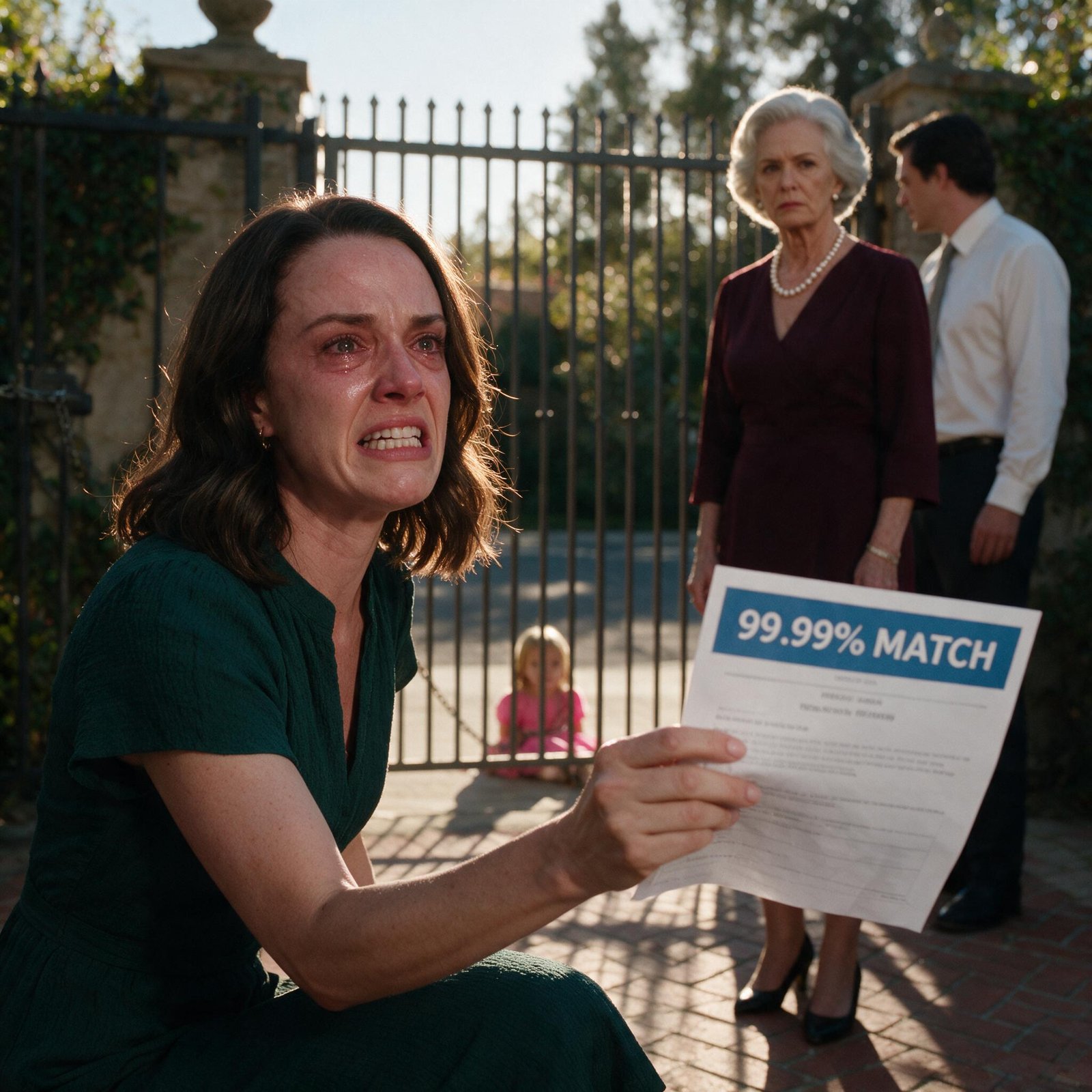
The Debt That Could Not Own Them
On the morning of the scheduled foundation dinner, Emma met Arthur in a quiet corner of the hotel breakfast room.
Daniel sat at another table until Emma invited him over, and even then he waited for her to choose the chair beside her rather than taking it automatically.
Arthur had remembered one additional sequence after Daniel mentioned the Friday tuition payment, not a hidden document or a secret he had deliberately saved.
On the Tuesday when the dealer removed the authentic porcelain, Arthur saw Margaret leave the closed dining room carrying a thick cream envelope the dealer had brought inside.
On Friday, Margaret asked Arthur to drive her and Daniel back to his school because the family car had already been surrendered during the financial collapse.
Margaret carried a cream envelope matching the dealer's through the administration entrance and returned twenty minutes later without it.
Arthur never opened the envelope, never heard a sum discussed, and could not say what form any payment took.
Daniel told them he remembered returning to campus with Margaret that Friday and hearing an administrator say his account had been cleared for the term.
To Emma, the sequence made it strongly likely that Margaret sold the true service to keep Daniel in school, but nobody at the table claimed proof of an exact dollar traveling from one hand to another.
The examined marks showed that those pieces were modern and came from different production lots, while Arthur and Thomas independently corroborated the dining-hall humiliation.
Emma could accept that Margaret's sacrifice might have been real without making her later conduct less deliberate.
To Emma, what Margaret had likely done for Daniel at seventeen was generous, frightened, and costly.
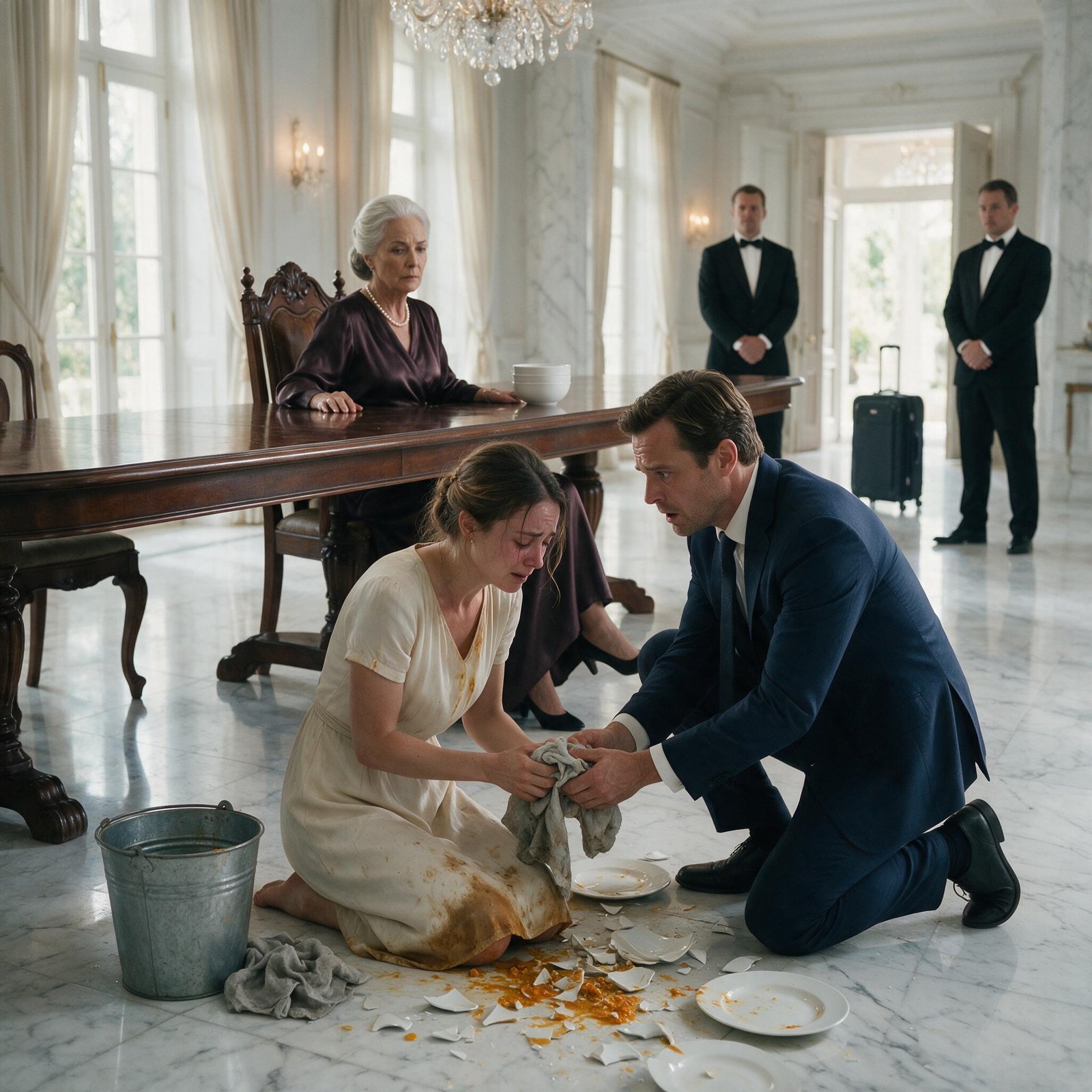
What she did to Emma in the dining hall was abuse.
One truth could explain the emotional force of the other without erasing responsibility for it.
Emma could see how modern pieces had gradually filled the missing service while the likely sacrifice hardened into a family legend in which only Margaret could define loyalty.
To Emma, Daniel's gratitude seemed to have hardened into an emotional debt Margaret believed she could collect through obedience.
Emma understood that motive only as an inference from timing, conduct, and memory.
No past gift entitled anyone to put her on a marble floor.
Daniel called the foundation chair in Emma's presence only after asking whether she wanted to hear the conversation.
He stated that the family could not support the advertised provenance, withdrew the porcelain presentation, and requested a corrected program that made no accusation beyond the unsupported claim.
The foundation kept its dinner, removed the Carver service from the event, and thanked its guests without turning Emma's humiliation into entertainment.
Daniel also told Margaret in a brief written message that he would not return to live in the mansion or treat her past sacrifice as a debt she could collect through obedience.
He acknowledged what she had likely given without accepting authority over Emma or their marriage in return.
Emma then told him what she wanted for herself.
She wanted a furnished apartment in her own name for three months, no messages carried from Margaret, and no assumption that one public defense had repaired weeks of fear or years of imbalance.
She wanted Daniel to hear discomfort before it became visible damage and to accept that she might still decide not to resume their marriage.
Daniel agreed without asking for a deadline shorter than the one she chose.
During the months that followed, he kept his separate address, met Emma only when invited, and stopped using apologies as requests for reassurance.
He began asking what she meant instead of translating tension into something that could wait until the end of a trip.
Emma watched consistency replace spectacle slowly enough that she could distinguish his work from the rescue in the dining hall.
She did not return to the mansion, and neither the foundation correction nor Margaret's silence drew her back into negotiation.
At the end of the third month, Emma invited Daniel to dinner in the small apartment she had chosen because its windows faced a public garden and filled the rooms with morning light.
The floors were old pine, warm under her bare feet, and nobody in these rooms had ever asked her to kneel on them.
She had bought two ordinary white bowls from a neighborhood store, and their only provenance was that she had chosen and carried them home herself.
Daniel arrived without luggage and asked where she wanted him to sit.
Emma pointed to the chair across from hers, close enough for conversation and far enough that neither person occupied the head of the table.
They served the meal together, and Daniel waited until Emma reached across the table before placing his hand in hers.
She did not promise that the next dinner would mean moving home, forgiveness, or a finished marriage.
She promised only the evening she had chosen, under conditions they had named together.
The bowls were inexpensive, the table was modest, and nothing in the room claimed a history it had not lived.
Part 5 of 5 · The Husband Who Chose His Wife